
Japa Splitting Wedges – The Right Splitting Solution for Different Needs
The desired firewood size and the type of wood being processed place different demands on the splitting wedge. Choosing the right wedge affects not only the size and consistency of the finished firewood but also production efficiency. Japa firewood processors offer several splitting wedge options as well as the unique Perfect Split splitting system.
Choosing a Splitting Wedge Based on Log Size and Intended Use
The most important factors when choosing a splitting wedge are the diameter of the logs being processed and the desired firewood size. The same wedge can be used to split logs of different diameters, but the size of the resulting firewood will vary with the raw material. For example, a small log split into four pieces produces considerably smaller firewood than a larger log split using the same wedge.
When most of the logs being processed are large, a multi-way splitting wedge can efficiently produce suitably sized firewood in a single splitting cycle. Using different wedge options makes it possible to strike the right balance between the desired firewood size and efficient production.
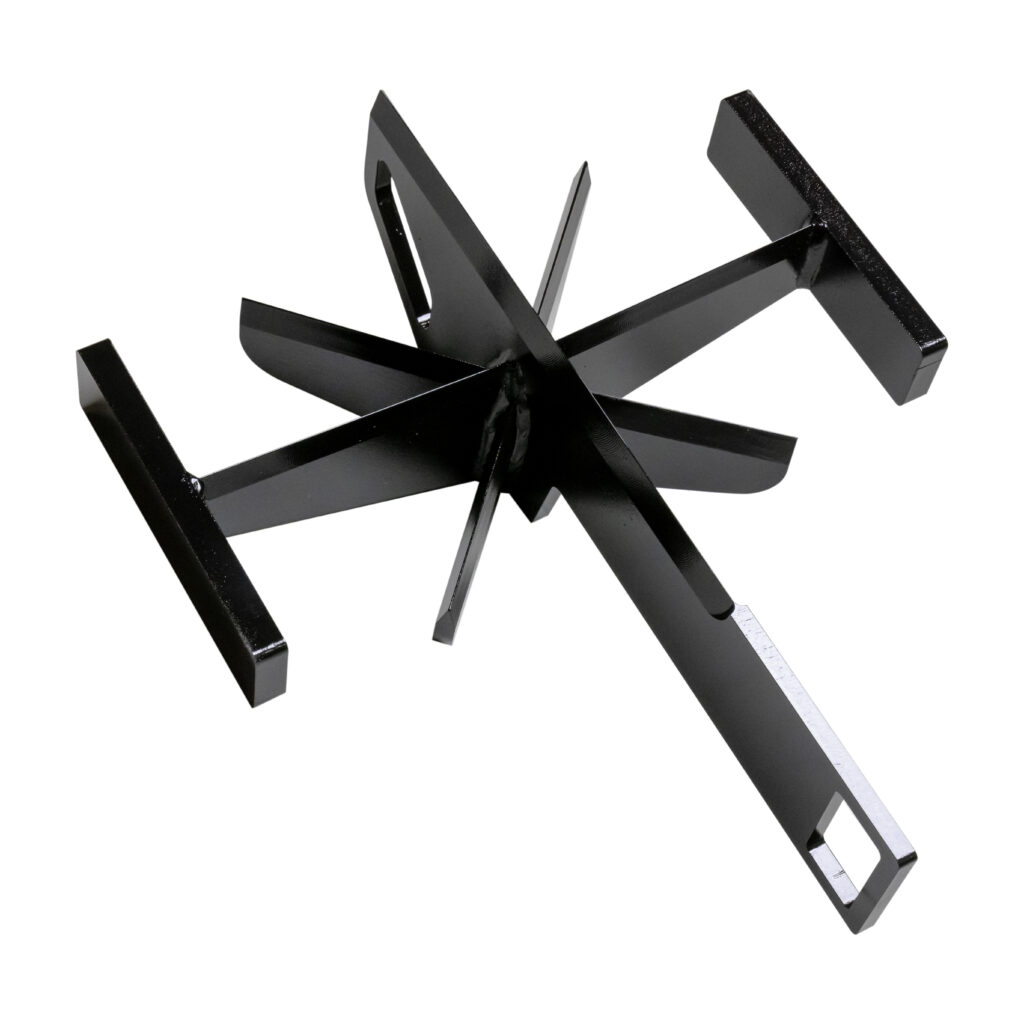
Frame-type splitting wedge for the Japa 365+.
Splitting Wedge Design Affects Efficiency
In addition to the number of blades, the shape, angles and positioning of the blades affect a splitting wedge’s performance. Carefully designed wedge geometry reduces the splitting force required, placing less stress on the machine’s structure and hydraulics. This helps ensure a long service life for the machine and its components.
The wedge’s support structure also plays a role in splitting efficiency. All Japa models except the 315+ use side-supported, frame-type splitting wedges. This design allows thinner blade material to be used without compromising durability.
Perfect Split – Consistently Sized Firewood from Logs of Different Diameters
With a traditional frame-type splitting wedge, a log is split in a single cycle into the number of pieces determined by the wedge’s configuration. With the Perfect Split system, splitting takes place in stages, allowing considerably more consistently sized pieces of firewood to be produced even from a large log. For example, the Japa 365+ Perfect Split can split logs up to 36 cm in diameter into approximately 20 pieces, without having to manually reposition the wood for further splitting.
The benefits of Perfect Split are particularly clear when the diameters of the logs being processed vary considerably. With a traditional frame-type splitting wedge, maintaining the desired firewood size may require changing wedges to suit different log sizes. Perfect Split can handle logs of different diameters with the same wedge, so production does not need to stop for wedge changes. This keeps production running smoothly and makes it easier to produce consistent firewood from variable raw material.
Perfect Split is particularly well suited to professional firewood production, where consistent product quality is important. The system is available for the Japa 405 and 505 Pro models, and as a factory-installed option for the Japa 365+ Pro. The ability to switch between a traditional frame-type wedge and Perfect Split allows the machine to be used efficiently with different log sizes.
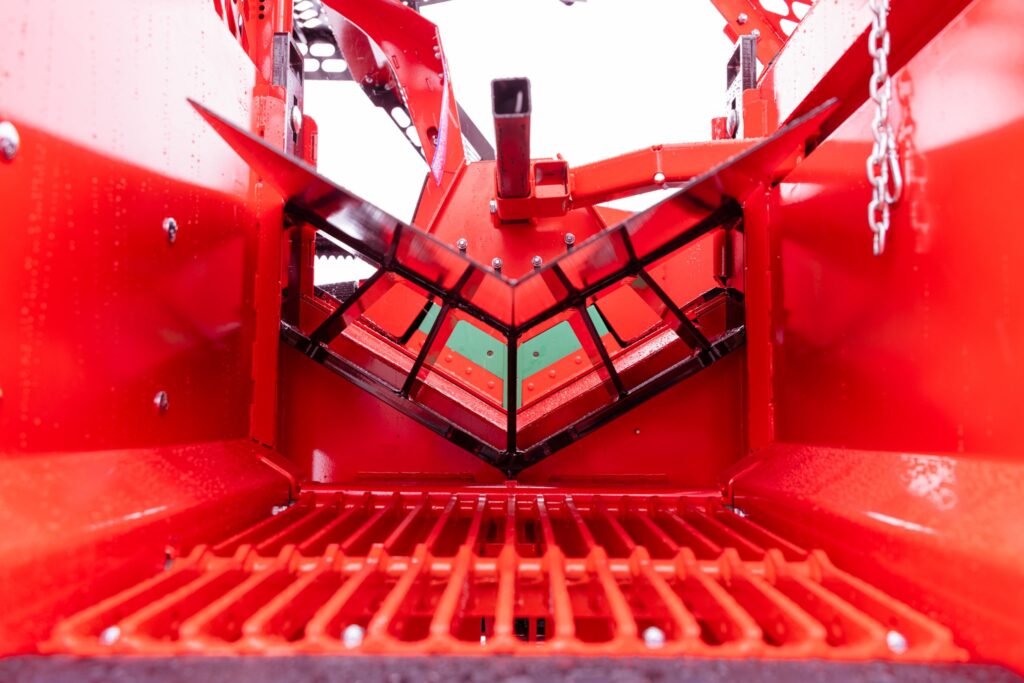
Japa Perfect Split.
A Splitting Wedge in Good Condition Reduces Stress on the Machine
The condition of the splitting wedge should be checked regularly. Stones, metal objects or other contaminants carried in with the logs can damage the wedge and reduce splitting performance.
A damaged or blunt wedge can increase the splitting force required, placing additional stress on the machine’s structure. Any damage should therefore be repaired promptly, and the wedge replaced when necessary.
Whether the goal is fast firewood production or consistently sized firewood for sale, choosing the right splitting wedge matters. Explore the wedge options for your Japa firewood processor and find the splitting solution best suited to your needs.